
 (03) 8395 5655
 info@carbonlite.com.au
(03) 8395 5655info@carbonlite.com.au
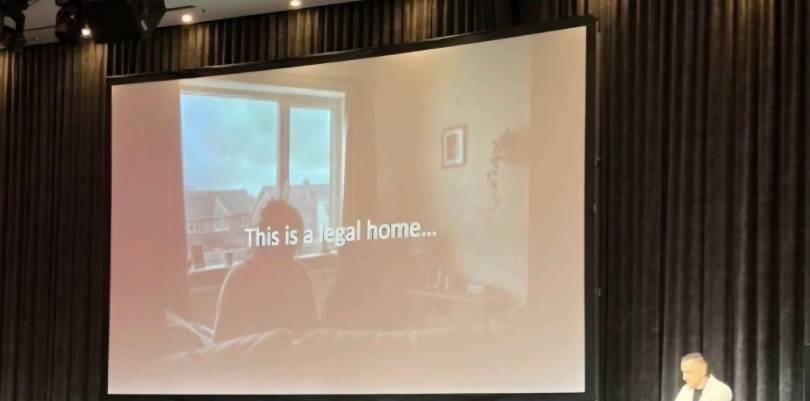
In June, I had the opportunity to present at the Australian Passive House Association’s THRIVE 2026 Conference and later join a panel discussion exploring whether Passive House is moving from niche to necessity.
One message became increasingly clear throughout both conversations.
We no longer have a building physics problem.
We have a delivery problem.
For more than three decades, Passive House has demonstrated that we can build homes that are healthier, more comfortable and dramatically more energy efficient. The science is mature. The performance is measurable. The outcomes are proven.
Yet these homes remain the exception rather than the norm.
Why?
Because we continue trying to deliver extraordinary buildings through an ordinary construction process.
Throughout my presentation I argued that much of the cost, complexity and uncertainty associated with high-performance housing doesn’t come from performance itself. It comes from repeatedly solving the same problems on every project.
Every new project starts with a blank page.
The process repeats, even when many of the challenges have already been solved before.
Imagine if housing worked differently.
Imagine if proven solutions became platforms that continuously improved rather than being redesigned every time.
Imagine if compliance pathways, engineering details, airtightness strategies and manufacturing processes were refined through learning instead of constantly reinvented.
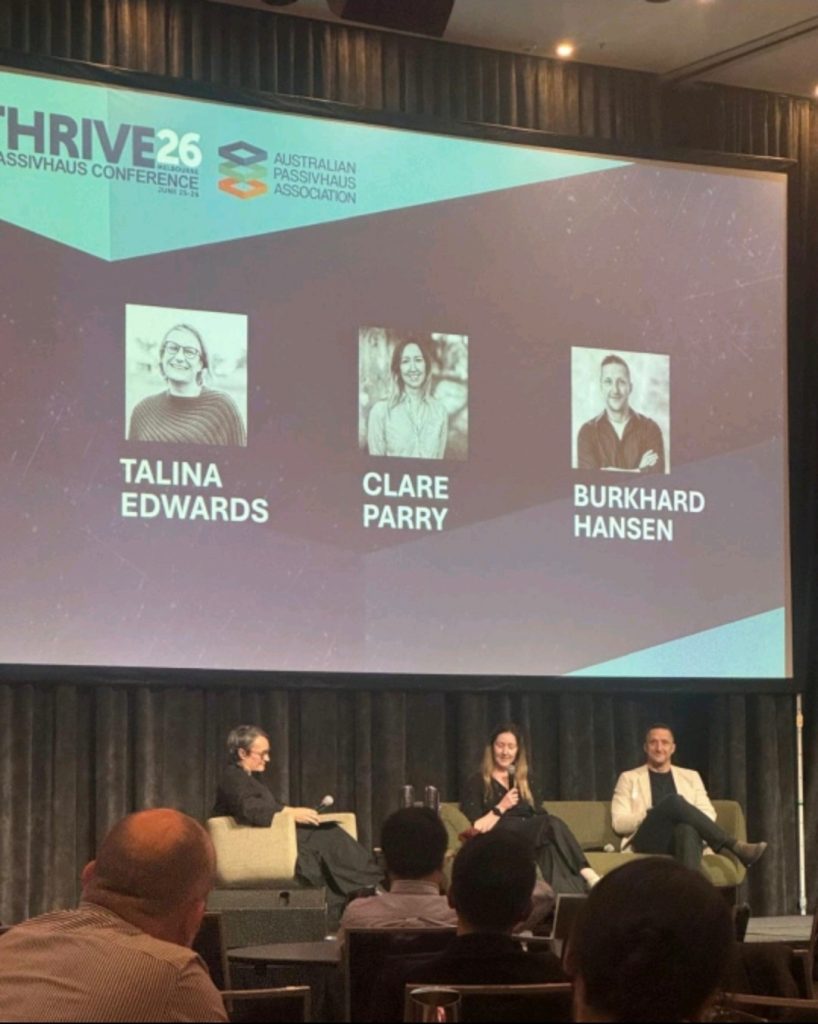
The discussion then shifted during the panel session.
One question generated particularly interesting debate: Does Passive House go far enough?
My view is that it has to go further.
Not because Passive House has failed—but because the challenges facing our industry continue to evolve.
Climate science has been warning us for decades about the direction we’re heading. While individual projections will always vary, the broader trends have proven remarkably accurate.
If we can reasonably predict the environmental conditions our buildings will operate in over the coming decades, then we also need to ask whether operational performance alone is enough.
Embodied carbon will increasingly become part of the conversation.
Not instead of building performance. Alongside it.
The future of sustainable housing won’t be defined by a single certification, product or construction method.
It will be defined by our ability to deliver healthy, low-carbon homes predictably, affordably and at the scale Australia urgently needs.
That requires more than better buildings.
It requires a better way of delivering them.
The conversations ahead won’t always be comfortable.
But meaningful change rarely is.
I’d like to thank the Australian Passive House Association for creating a forum where these conversations can happen openly, respectfully and with a shared ambition to improve the industry.
I’d love to hear your thoughts.
What do you believe is the biggest barrier preventing healthy, high-performance housing from becoming the norm in Australia?
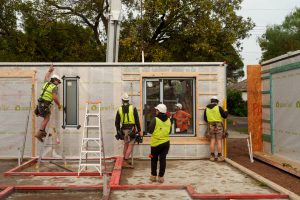
CarbonLite's manufacturing expertise and PanelLite are helping Stllhaus turn a new housing concept into a repeatable building system. Stllhaus is [...Read More]
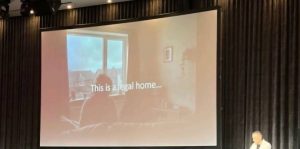
In June, I had the opportunity to present at the Australian Passive House Association's THRIVE 2026 Conference and later join [...Read More]
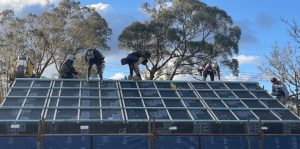
High-Performance Secondary Dwelling in Blackheath NSW Showcases the Benefits of Prefabricated Passivhaus Construction A new secondary dwelling currently under construction [...Read More]